
Minor league baseball team names are strange on purpose. Clubs like the Rocket City Trash Pandas, Montgomery Biscuits, Hartford Yard Goats and Amarillo Sod Poodles pick names that tie into a local story, make kids laugh and look good on a hat. Most of them came out of a public name-the-team contest, and almost every odd name has a real local meaning behind it.
Below are the best and funniest minor league baseball team names playing today, where they came from, why teams rebrand in the first place, and how fans get a say in the process.
Why Minor League Team Names Are So Weird
A big league club sells its players. A minor league club can’t count on that, because the best prospects move up and leave town. What stays is the ballpark, the promotions and the brand. A memorable name gives the team something to sell no matter who is on the roster.
That is why so many minor league teams lean into local food, animals, slang and history. A name that makes people ask “what is a sod poodle?” has already done part of its job. The best ones also work for families, since kids are a large share of the crowd and they are the ones who want the hat, the plush mascot and the birthday party at the park.
There is a practical side too. Since MLB took over the minor league system in 2021, there are 120 affiliated clubs across Triple-A, Double-A, High-A and Single-A. Many share a region with other teams, and a sharp identity helps a club stand out. For more on how the levels fit together, see our guide to minor league baseball.
The Best Minor League Baseball Team Names and the Stories Behind Them
These are real, current clubs. Each name came with a reason, even when it sounds like a joke.
Rocket City Trash Pandas (Double-A, Southern League)
When the Mobile franchise moved to Madison, Alabama, the club ran a three-month name-the-team contest. The team counted 28,560 nominations and votes over three rounds, which it called the largest community turnout for a naming contest in minor league history. “Trash Pandas,” slang for raccoons, won the final round with about 45 percent of the vote. “Rocket City,” a nod to Huntsville’s space program, beat “North Alabama” and “Madison” as the place name.
The name took off before a single game was played. The club reported millions of dollars in merchandise sales while it waited for its first season, which was delayed when the 2020 minor league season was canceled.
Montgomery Biscuits (Double-A, Southern League)
When the Orlando Rays moved to Montgomery, Alabama, a local fan submitted “Biscuits” in the 2003 naming contest. The team’s general manager said the staff fell for it because it was regional, campy and playful. The logo is a smiling buttermilk biscuit with a pat of butter for a tongue, and the club has kept the name since it started play in 2004.
Hartford Yard Goats (Double-A, Eastern League)
A yard goat is railroad slang for a switch engine, the small locomotive that shuffles cars around a rail yard. The franchise, formerly the New Britain Rock Cats, moved to Hartford, Connecticut, and picked the name in a contest that drew more than 6,000 submissions. The name honors the city’s railroad history, even if plenty of fans first pictured an actual goat.
Amarillo Sod Poodles (Double-A, Texas League)
“Sod poodle” is an old Texas Panhandle nickname for the prairie dog. Fans suggested more than 3,000 names in a month-long contest, and the five finalists were Boot Scooters, Bronc Busters, Jerky, Long Haulers and Sod Poodles. The club chose Sod Poodles for its pioneer roots and its appeal to kids. Local reaction was mixed at first, and the name has since become one of the best known in the minors.
Binghamton Rumble Ponies (Double-A, Eastern League)
Binghamton, New York, calls itself the Carousel Capital of the World because of its antique carousels. The winning entry came from a local resident who remembered riding those carousels as a child and imagining the horses were wild ponies. The club dropped its old name, the Binghamton Mets, after the 2016 season.
Jacksonville Jumbo Shrimp (Triple-A, International League)
The Jacksonville Suns became the Jumbo Shrimp before the 2017 season. The name points to the area’s shrimping industry, and it also plays on Jacksonville being a big city that often feels like a small town. It is an oxymoron, which is part of the fun.
El Paso Chihuahuas (Triple-A, Pacific Coast League)
The finalists in El Paso’s naming contest were Aardvarks, Buckaroos, Chihuahuas, Desert Gators and Sun Dogs. When the club picked Chihuahuas, many locals hated it, and petitions circulated calling the name cartoonish. The name still turned into a hit, with strong merchandise sales and national attention. The team’s mascot, Chico, has become a regular around the region.
Albuquerque Isotopes (Triple-A, Pacific Coast League)
In a 2001 episode of The Simpsons, Homer tries to stop the Springfield Isotopes from moving to Albuquerque. When a real Triple-A team moved to Albuquerque for the 2003 season, fans voted for “Isotopes” with 67 percent of the vote. The name also fits New Mexico’s history with nuclear research.
Columbus Clingstones (Double-A, Southern League)
A newer example. When the Atlanta Braves moved their Double-A club from Mississippi to Columbus, Georgia, for the 2025 season, the team named itself after the clingstone peach, a type of peach whose flesh clings to the pit. The club frames it as a name about grit, and it is the only minor league team using peach as a primary color.
Funny Minor League Baseball Teams Worth Knowing
Plenty of other clubs have names that make first-time visitors smile. A few that are playing now:
- Lehigh Valley IronPigs (Triple-A): named for pig iron, a nod to the region’s steel industry.
- Toledo Mud Hens (Triple-A): one of the oldest names in the minors, made famous by the TV show M*A*S*H.
- Sugar Land Space Cowboys (Triple-A): a Texas name that mixes ranch life with Houston’s space program. The club was known as the Sugar Land Skeeters before joining the affiliated minors.
- Biloxi Shuckers (Double-A): picked in a 2014 fan contest as a reference to the city’s oyster industry and seafood heritage.
- Pensacola Blue Wahoos (Double-A): named for the wahoo, a fast game fish found off the Gulf Coast.
- Fort Myers Mighty Mussels (Single-A): the former Fort Myers Miracle, renamed ahead of the 2020 season.
- Akron RubberDucks (Double-A): a play on Akron’s history as a tire and rubber town.
- Richmond Flying Squirrels (Double-A): a name that came from a fan contest when the club arrived in Virginia.
- Lansing Lugnuts (High-A): a tip of the cap to Lansing’s auto plants.
- Fort Wayne TinCaps (High-A): named for Johnny Appleseed, who is buried in Fort Wayne and is often shown wearing a tin pot on his head.
- Hickory Crawdads (High-A): a small freshwater crustacean that kids love.
- Kannapolis Cannon Ballers (Single-A): a nod to the Cannon Mills textile company that built the town.
- Beloit Sky Carp (High-A): a local nickname for the geese that fly over the Rock River.
The common thread is local meaning. A good funny name makes outsiders laugh and locals nod.
If you are looking for the names of all Minor League Baseball teams, there are 120 affiliated clubs, four for each of the 30 Major League Baseball teams, split across leagues such as the International League, Pacific Coast League, Eastern League, Southern League and Texas League. Independent MLB Partner Leagues, including the Atlantic League, Frontier League, American Association and Pioneer League, add dozens more clubs with their own local names.
Savannah Bananas: The Famous Name That Isn’t Minor League Baseball
The Savannah Bananas get mentioned in almost every list of fun baseball names, but they are not part of Minor League Baseball. They are not affiliated with an MLB club, and they started out in collegiate summer baseball before going their own way. The Bananas play Banana Ball, their own faster version of the game, and in 2026 they launched the Banana Ball Championship League with teams like the Party Animals, Firefighters, Texas Tailgaters, Loco Beach Coconuts and Indianapolis Clowns. Their tour plays in MLB and college football stadiums across the country.
They are a good example of how far a playful brand can go, even without a big league parent club behind it.
Minor League Baseball Mascots
The mascot usually grows out of the name, and it is often the part kids remember most. A few well-known examples:
- Montgomery Biscuits: the club has two mascots, Big Mo, an orange creature who loves biscuits, and Monty, a walking buttermilk biscuit who also appears on the hat. Big Mo was named Sports Illustrated’s Mascot of the Year in 2016.
- Rocket City Trash Pandas: Sprocket is a raccoon astronaut who flies a garbage can.
- El Paso Chihuahuas: Chico the chihuahua makes hundreds of public appearances a year around the region.
Mascots work the concourse, run races with kids between innings and show up at schools and community events. For a team whose players come and go every season, the mascot is one of the few faces that stays the same.
Why Minor League Teams Rebrand
New names usually come with a reason. The most common ones:
- Relocation: a franchise moves to a new city and wants a name that belongs there. The Trash Pandas, Yard Goats, Sod Poodles, Chihuahuas and Clingstones all started this way.
- Dropping a parent club’s name: teams named after their MLB affiliate, like the old Binghamton Mets, are stuck if the affiliation changes. A local name survives any affiliate swap.
- A new ballpark: a new stadium is a natural moment to refresh the brand.
- Merchandise sales: this is the big one. A fresh, quirky name can sell far more caps and shirts than a generic one, often to fans who have never been to the city.
The numbers back it up. After Albuquerque announced the Isotopes name in 2002, the team sold more merchandise in three weeks than its predecessor, the Dukes, had sold in a full season. The Trash Pandas and Chihuahuas saw similar surges. Many of these identities were designed by specialist agencies such as Brandiose, the San Diego firm behind a long list of minor league looks. For more on how teams make money, see our piece on the business of minor league sports.
Minor League Baseball Hats
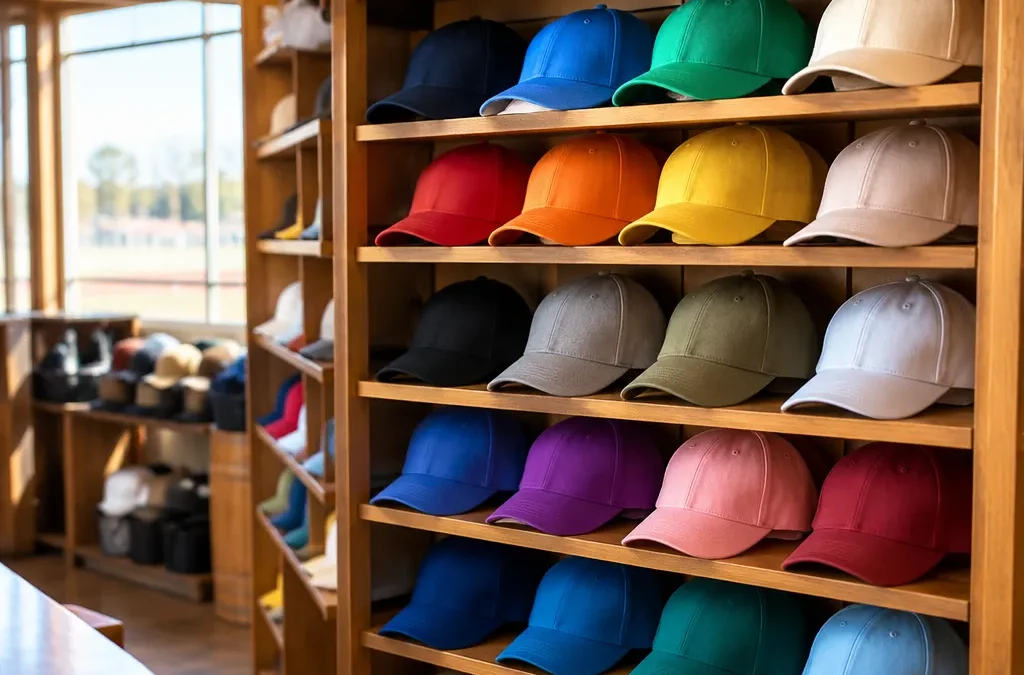
Hats are where team names turn into money. A Biscuits, Jumbo Shrimp or Trash Pandas cap is a conversation starter anywhere in the country, which is why these designs sell well far from the ballpark. Many fans collect them the way others collect patches or pins.
Most teams sell official on-field caps and a rotating set of alternate caps through their team store and the MiLB online shop. Look for:
- Primary caps: the everyday home and road designs.
- Alternate and theme-night caps: one-off designs for special games, which are often the most collectible.
- Copa de la Diversión caps: Spanish-language alternate identities, covered below.
- Youth sizes: most clubs carry smaller caps, since kids are a key audience.
Copa de la Diversión: Alternate Identities
Copa de la Diversión, which translates to “the Fun Cup,” is a Minor League Baseball program that gives teams a second, Spanish-language identity for select games. The goal is to connect with Hispanic and Latino fans in each club’s area.
It began in 2017 with four teams: the Caballeros de Charlotte, Toros de Durham, Toros de Visalia and Reyes de Plata de Las Vegas. By 2025, 92 teams took part, which is more than three quarters of the minors. Recent identities include:
- Ajolotes de Kannapolis: a pink axolotl for the Kannapolis Cannon Ballers.
- Cencerros Increíbles de Aberdeen: a cowbell theme for the Aberdeen IronBirds, honoring Latin music.
- Payasos del Rodeo de Sugar Land: rodeo clowns for the Sugar Land Space Cowboys.
- Granjeros de Wisconsin: farmers for the Wisconsin Timber Rattlers.
- Caballitos del Mar de Norfolk: seahorses for the Norfolk Tides.
Copa games come with their own uniforms, caps, food and music, and the caps are some of the most sought-after items in the minors. MiLB keeps an up-to-date overview on its Copa de la Diversión FAQ page.
How Fans Vote on Team Names
Most new names come out of a name-the-team contest. The process usually looks like this:
- Open submissions: the club asks fans to suggest names online, often for a few weeks to a few months.
- Shortlist: team staff, sometimes with a branding agency, cut thousands of entries down to five to ten finalists.
- Public vote or team decision: some clubs hold rounds of fan voting, like the Trash Pandas did. Others use fan input as a guide and make the final call themselves.
- Reveal: the name, logos and colors are unveiled at a public event, and merchandise usually goes on sale the same day.
Fans don’t always love the winner at first. Amarillo and El Paso both faced backlash, and both names are now seen as successes. A strange name tends to grow on a town once the team starts winning games and kids start wearing the hat.
If you are curious what life is like for the players wearing those caps, see our breakdown of minor league baseball salaries. For game-day planning, read how long a minor league baseball game lasts, and follow new name reveals in the latest news from MiLB.
Summary
Minor league baseball team names are built to be memorable. The best ones, like the Trash Pandas, Biscuits, Yard Goats, Sod Poodles, Rumble Ponies, Jumbo Shrimp and Chihuahuas, come from local slang, food, animals and history, and most were picked with help from fans. Teams rebrand when they move, want to drop an affiliate’s name, open a new ballpark or want a boost in merchandise sales. Copa de la Diversión adds a second, Spanish-language identity for select games, and the Savannah Bananas show how far a fun brand can go outside affiliated baseball.